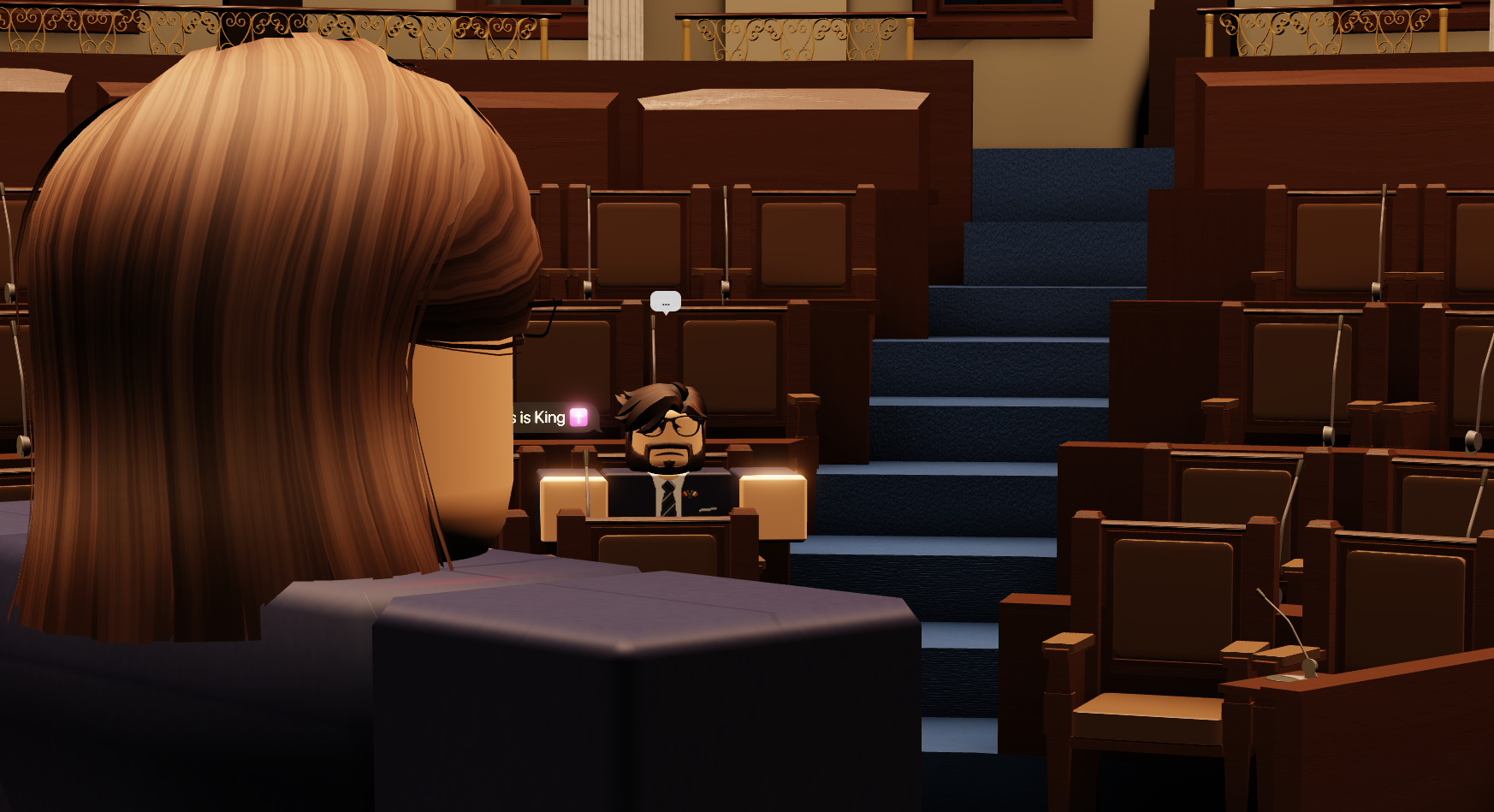
Dublin — Labour Party Leader AndrewEHarris has resigned from his position, triggering a leadership election that will determine the future direction of one of Ireland's oldest political parties. The resignation was announced yesterday at 13:03, marking the end of Harris's tenure at the helm of the Labour Party.
In his statement, Harris did not provide detailed reasons for his departure, leaving political observers speculating about the circumstances behind the decision. When RTÉ reached out for comment, the former Labour leader offered a reflective perspective on his time in politics.
"Politics is like a children's toy, you love it at first but after a while you get quite bored of it."
— AndrewEHarris, Former Labour Party Leader, in statement to RTÉ
The cryptic response suggests a weariness with political life, though Harris did not elaborate further on specific factors that led to his resignation.
Electoral Commission Makes Historic Exception
In an unprecedented move, the Electoral Commission has announced a significant constitutional accommodation to facilitate the leadership race. Due to the Labour Party caucus in Dáil Éireann consisting of only one TD, the Electoral Commission determined it appropriate to waive the traditional requirement that party leaders must be members of the Oireachtas.
"Due to the Labour Party caucus in the Dáil Éireann being only one TD, the Electoral Commission has deemed it appropriate to relieve the clause in the constitution regarding electing a leader from the Oireachtas and therefore any member with signatories will be eligible to run."
— Electoral Commission Statement
This decision opens the leadership race to the broader party membership, not just those serving in the Dáil or Seanad. The move reflects the practical challenges facing a party with limited parliamentary representation while maintaining democratic legitimacy for the selection of its leader.
Leadership Election Timeline
Key Dates for Labour Leadership Race
- 7 December 2025, 15:00 IST — Nominations open for candidates to receive 5 nominations from valid party members. Candidates must notify the Electoral Commission. All nominations must be screenshotted and verified before the deadline.
- 8-9 December 2025, 15:00 IST — Nominations close. Candidates with 5 nominations will be able to campaign until 29 September 20:00 IST. Voting opens simultaneously.
- 10 September 2025, 20:00 IST — Voting and campaign period closes.
Note: The Electoral Commission initially required 5 nominations but later lowered the threshold to 4 nominations to facilitate broader participation.
In order for nominations to be valid, members must have joined the Labour Party before the resignation of the leader was announced on 7 December 2025 at 13:03. This rule ensures that only established party members participate in the selection of the new leader.
MRBRUCEISMAY22 Secures Sufficient Nominations
Seanad member MRBRUCEISMAY22 has successfully secured the required number of nominations to proceed in the leadership race, making him a confirmed candidate for Labour Party leader. The Electoral Commission verified his nomination status on 8 December at 9:46 AM.
MRBRUCEISMAY22 currently serves as a Labour Senator in Seanad Éireann and has been an active voice in parliamentary debates. His candidacy represents continuity with the party's Oireachtas presence while bringing fresh leadership to the organization.
As of this publication, it remains unclear whether additional candidates will emerge in the race or if MRBRUCEISMAY22 will face competition for the leadership position. The party has not released information about other potential nominees.
Harris's Record: Attendance and Approval
AndrewEHarris departs the leadership role with a mixed legacy. According to RTÉ's recent analysis of Oireachtas attendance records, Harris maintained an 83.33% Dáil attendance rate, demonstrating consistent parliamentary engagement during his tenure.
More significantly, Harris commanded the highest approval rating among party leaders at 54.5% according to recent polling data, with 11 respondents approving of his leadership, 30 remaining neutral, and 14 disapproving. This approval rating outpaced other party leaders, potentially reflecting public appreciation for his steady opposition work and regular Oireachtas participation.
Despite these positive indicators, Harris's tenure saw Labour maintain a relatively small parliamentary presence, with only a single TD in Dáil Éireann—a reality that has now shaped the constitutional exception granted by the Electoral Commission.
What's Next for Labour?
The Labour Party faces a critical juncture as it selects new leadership. With limited Dáil representation but an active Seanad presence, the party will need to chart a path forward that rebuilds its electoral appeal while maintaining its traditional commitment to social democratic values.
The leadership election comes at a time when the Sinn Féin-Fianna Fáil coalition government faces mixed public confidence, potentially creating opportunities for opposition parties like Labour to gain ground. The new leader will inherit both the challenge of rebuilding party strength and the opportunity to define Labour's role in Irish politics for years to come.
The campaign period will run until 10 September, giving candidates time to present their vision for the party's future and engage with members across the country.
Political Reaction
Government and opposition figures have remained largely quiet on Harris's resignation, with most parties focused on their own internal priorities. Labour members have expressed appreciation for Harris's service while looking forward to the democratic selection of new leadership.
Political analysts suggest the leadership transition may provide Labour with an opportunity to refresh its message and potentially expand its appeal to voters who feel underserved by the current government coalition.
← Back to RTÉ News