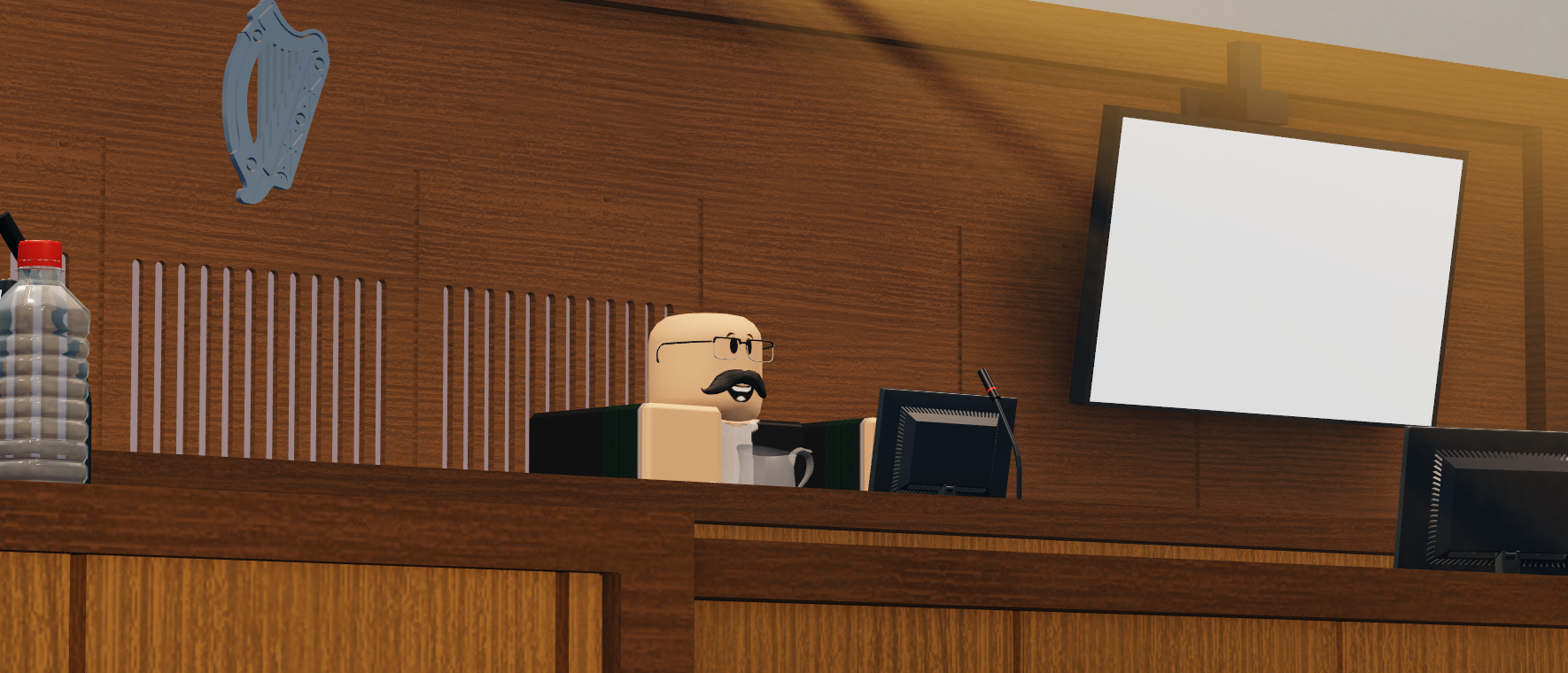
The High Court has directed the Government to provide, within seven days, a full explanation of the factual and legal basis for designating Labour Seanadóir MRBRUCEISMAY22 as a National Security Threat.
The order, issued by High Court Judge Daveids, follows the State's failure to enter an appearance or respond to the Seanadóir's affidavit and application for injunctive relief.
Court Cites Government's Admission of Procedural Failures
In his ruling, Judge Daveids noted that the Government had already publicly acknowledged that the National Security Committee (NSC) "mishandled" the designation process by failing to notify the Seanadóir as required under Section 3 of the National Security Act 2023.
The Seanadóir maintains that he was never contacted by the Chair of the NSC, the Minister for Justice, or any authorised official regarding the designation, and that the first indication of his status came from statements made by the Taoiseach.
Government Ordered to Explain the Designation
The Court has ordered the Government to file a substantive appearance and provide:
📋 Court Requirements
- The factual grounds for identifying the Senator as a national security threat
- The legal grounds relied upon under Section 3 of the National Security Act
Failure to meet the seven-day deadline may expose the State to further judicial intervention.
📄 Read Full Court Order from Judge Daveids →NSC Must Submit All Records for Closed-Material Review
The National Security Committee has been instructed to provide the Court with all relevant records, including minutes, vote records, internal documentation, and any classified materials relating to the Senator's designation.
These materials will be examined under a Closed-Material Review, a process used for sensitive or classified evidence governed by the Official Secrets Act and the Public Trials Act.
🔒 Closed-Material Review Process
All documents and the transcript of the review will remain sealed, unless the Court later determines that certain information can be lawfully disclosed to the Seanadóir.
High Court Judge Daveids wrote that the sealing order was necessary because the documents "contain a significant amount of OSA-classified evidence" and pose potential national security risks.
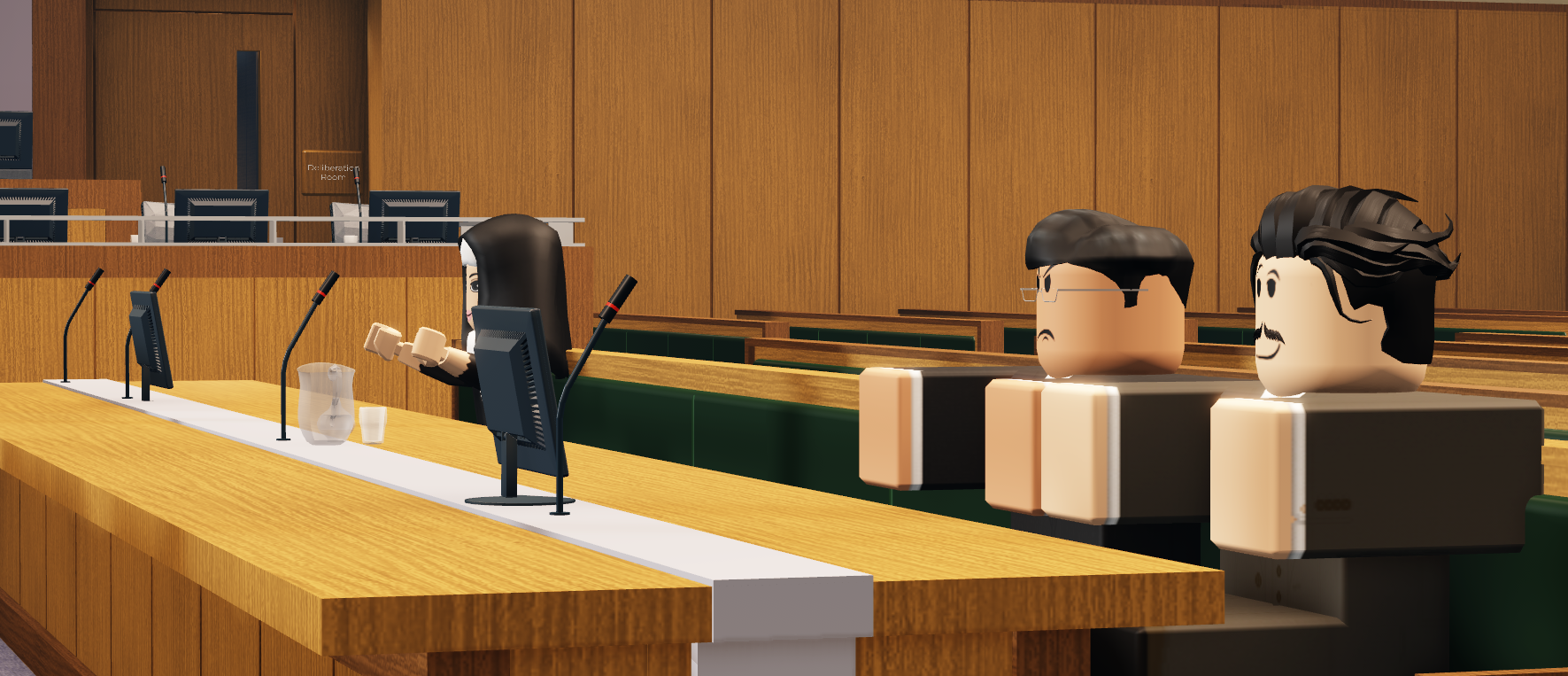
Legal representatives during High Court proceedings
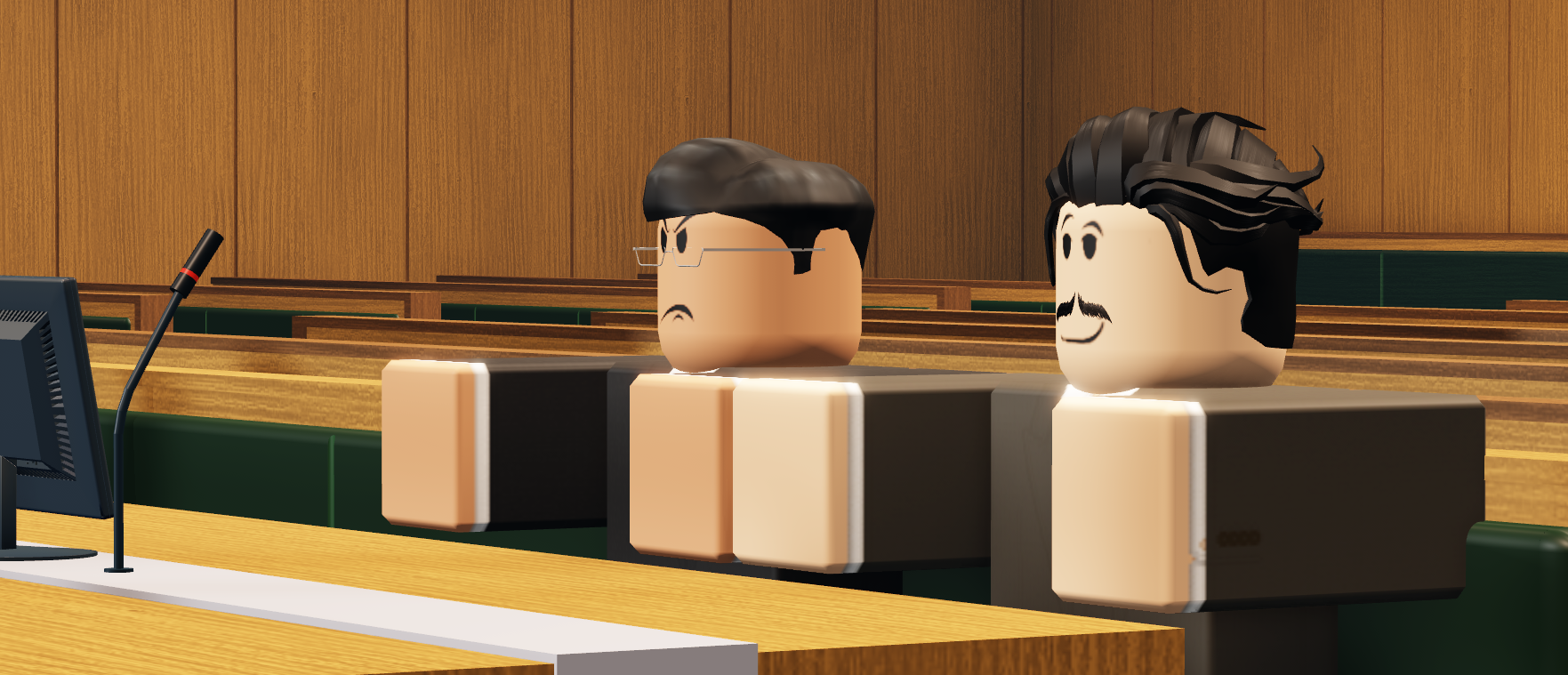
Seanadóir MRBRUCEISMAY22 with his legal counsel, Barrister LouisGMiddleton
Background to the Case
The Seanadóir filed an application on 7 December seeking injunctive relief and disclosure orders following the Taoiseach's public confirmation of his designation as a national security threat. That designation has since been formally removed pending an external review ordered by the Government.
The NSC had initially voted to designate several members of the Four Star Party amid concerns about extremist activity, but procedural failures—chiefly the lack of required notification—prompted the Taoiseach to step in.
Next Steps
The High Court will commence the Closed-Material Review once documents are supplied by the NSC. The Government's response is due within the next week.
The case is expected to test the balance between national security confidentiality and the due process rights of individuals designated under the National Security Act 2023.
⚖️ Legal Significance
This case marks the first judicial review of the National Security Act 2023's designation procedures and will establish important precedents regarding:
- Due process requirements for NST designations
- Notification obligations under Section 3
- The use of Closed-Material Reviews in national security cases
- Individual rights versus state security interests